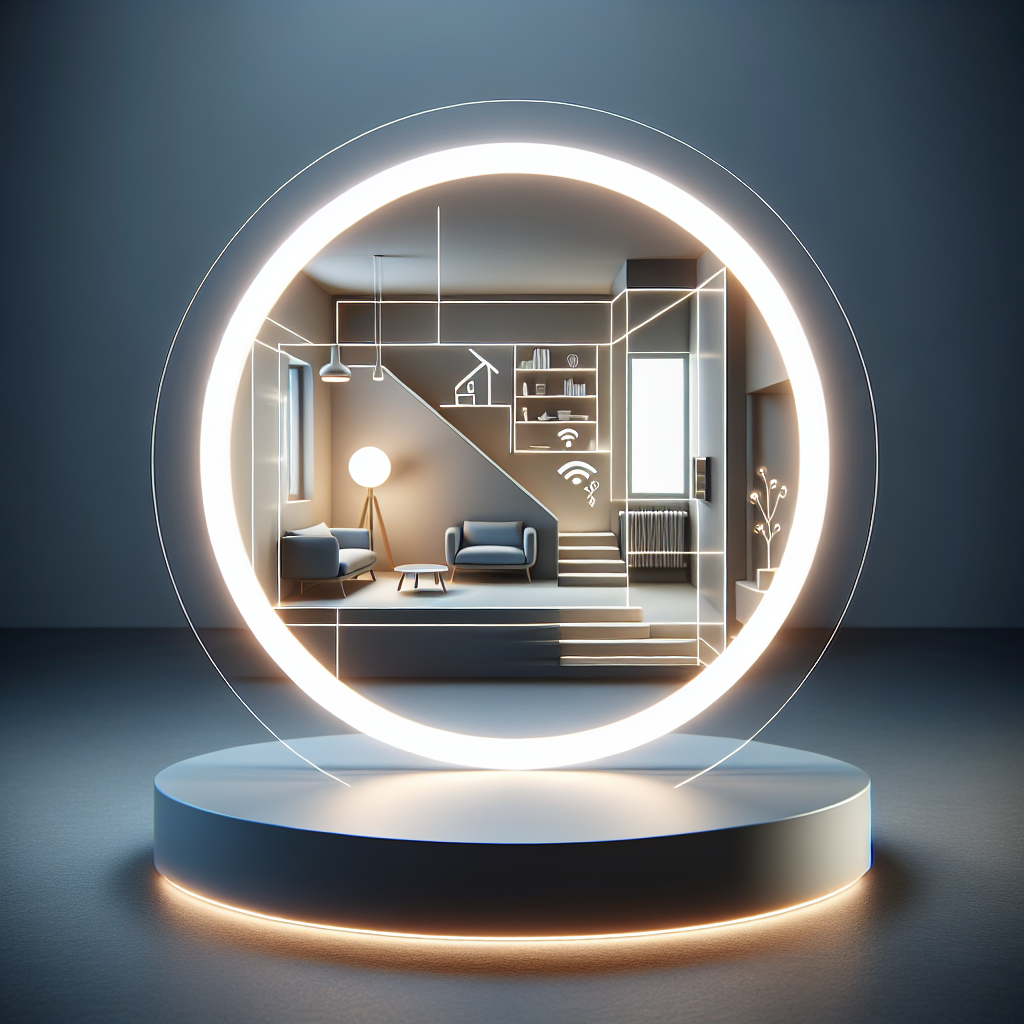
Harnessing smart lighting design is not just about aesthetics; it’s about creating an intelligent environment that enhances our daily lives. In an age where technology intersects seamlessly with design, incorporating level smart lighting into your interior spaces can transform a standard room into a vibrant, adaptive environment. Whether you are renovating or starting from scratch, here are some innovative smart lighting design ideas to elevate your interiors.
Understanding Level Smart Lighting Design
Smart lighting is more than just convenient control systems. It’s about using technology to enhance functionality while reflecting personal style. Level smart lighting focuses on adaptability, energy efficiency, and user control. Think of an interior space where the lighting can change its hue, intensity, or even its layout based on your mood or time of day. This not only helps in creating the perfect ambiance but also promotes well-being.
Create Layers with Ambient, Task, and Accent Lighting
A well-rounded smart lighting design incorporates three essential types of lighting: ambient, task, and accent.
Ambient Lighting
Ambient lighting provides the general illumination needed to light a room. Smart options such as dimmable ceiling fixtures or smart LED panels can drastically change a room’s environment. Just think about setting a soft, warm light for a cozy evening or a bright, daylight-like setting for working from home. You can control these levels using smart apps, achieving the perfect brightness for any moment.
Task Lighting
Next, consider task lighting which focuses on specific areas where activities occur—think desks, kitchens, and reading nooks. Smart wall lights and under-counter lights can serve this function brilliantly. For instance, installing smart, adjustable LED task lights allows you to shift the intensity as needed, creating the best conditions for concentration and efficiency.
Accent Lighting
Accent lighting, on the other hand, draws attention to artwork or architectural details. Use smart spotlights or smart sconces that can change colors and modify brightness, creating stunning visual effects. This method can add depth to spaces, drawing the eye where you want it to go—all controllable via smart apps or voice assistance.
Enhance Your Space with Smart Color Control
Color temperature and color control are game changers in level smart lighting design. Smart lights that allow you to pick from a wide range of hues give you the freedom to tailor the atmosphere to your desire.
Adjusting Cool and Warm Tones
Cool tones can enhance alertness and productivity, making them ideal for workspaces. Alternatively, warm tones promote relaxation, making them perfect for living rooms and bedrooms. Smart lighting systems can shift between these temperatures automatically or on a schedule, aligning with your daily rhythm. For example, a gradual transition from cool to warm in the evening can help create a calming environment, signaling that it’s time to unwind.
Creating Mood with Color Settings
Additionally, smart lightings, like Philips Hue or LIFX, allow users to select colors based on their mood or preference. Want to energize your workout space? Choose vibrant reds or blues. Hosting a dinner party? Soft pastels or warm whites will set the scene for an inviting atmosphere.
Incorporating Smart Lighting Control Systems
What sets smart lighting apart from traditional variants is the seamless control mechanisms available. Integrating smart lighting systems in your home can make a world of difference.
Voice-Activated Systems
Consider systems compatible with voice control. Google Home, Amazon Alexa, or Apple HomeKit can manage lighting with simple commands, allowing you to adjust scenes or set schedules without lifting a finger. It’s convenient and, quite frankly, fun.
Mobile Apps for Greater Flexibility
Mobile applications take this a step further by offering users an interface for even deeper customization. You can group lights, create schedules, and even sync them with events, such as turning lights to a specific color when your favorite show begins or dimming them automatically when it’s time for bed.
Energy Efficiency and Sustainability with Smart Lighting
Sustainability is a significant concern nowadays. Smart lighting can contribute to reducing your carbon footprint and lowering energy costs. Using LED smart bulbs means that you consume far less energy than traditional incandescent lights. Furthermore, with the predictive features available in smart systems, you can eliminate wasted energy by setting timers or using motion sensors that ensure lights turn off in unoccupied spaces.
Integrating Smart Lighting with Home Automation
Smart lighting works wonders in tandem with home automation. Imagine coming home after a long day and having your lights automatically turn on, gradually illuminating your path based on the time of day.
Seamless Integration
Integrating your smart lighting with other systems, like thermostats and security, can create an intelligent home ecosystem. For example, you can program your lighting to mimic occupancy while you are away, deterring burglars and providing peace of mind.
Accessibility for Everyone
Additionally, smart lighting can enhance accessibility for individuals with disabilities. Voice-activated commands or mobile controls make everyday tasks easier for people with mobility challenges. This level of inclusion is another remarkable aspect of smart lighting design.
Designing with Smart Lighting in Mind
When planning your interior design, consider how smart lighting can fit into your overall vision. Think about the layout of your rooms and how lighting can enhance or transform these spaces.
Consider Lighting Fixtures
Select fixtures that not only fit your style but also accommodate smart bulbs. Ensure that chandeliers, floor lamps, and even sconces are compatible with the smart systems you choose. There’s a plethora of stylish options available that can elevate your decor while providing the flexibility of smart lighting.
Utilizing Smart Light Strips
Don’t overlook smart LED light strips. They can be used creatively under shelves, behind furniture, or along hallways to create stunning visual effects. Their versatility allows you to enhance various spaces, from home theaters to playful children’s rooms, adding dimension and intrigue.
Custom Lighting Scenes for Every Occasion
One of the coolest features of smart lighting is the ability to create custom lighting scenes. Whether you’re hosting a family gathering, enjoying a quiet evening, or having a movie night, preset scenes can adjust multiple lights to the perfect settings.
Pre-Programmed Scenarios
Most smart lighting systems come with pre-programmed scenarios to help you get started. You can have a ‘relax’ scene that switches your living room to a soft, warm glow, or ‘entertain’ that brightens the dinner table and highlights artwork.
Tailor to Your Lifestyle
You can also take it up a notch by programming your personal scenes. Tailor the light intensity based on the time of day or activity. This customization is ideal for those looking to create meaningful experiences within their spaces.
Final Thoughts on Level Smart Lighting Design
In conclusion, smart lighting design is a vital cog in creating modern, energy-efficient, and aesthetically pleasing interiors. By incorporating different types of lighting, color controls, and automation systems, you can craft beautiful, adaptive spaces that resonate with your life and style. As technology continues to evolve, the potential of level smart lighting design in revolutionizing our living spaces is endless. Embrace these ideas and unlock the true potential of your interiors.